
Lease return dent repair before the inspection
Lease return dent repair for cars going back to the leasing company. Dents that are too big, have a chip in them or sit on the roof or a body line can be charged for at the end of the lease. Paintless dent removal takes them out first and leaves the original paint untouched.
In short
A dent can be charged for at the end of a lease if it falls outside fair wear and tear. Most leasing companies follow the BVRLA fair wear and tear guidelines, which accept dents of 15mm or less across, no more than two per panel, only where the paint isn’t broken and never on the roof or on a body line. Anything outside that can be charged for when the car is collected.
Will I be charged for a dent when I return my lease car?
You might be. At the end of a lease the car is inspected against fair wear and tear guidelines. Damage outside them can be charged for. Most leasing companies base theirs on the guidelines from the BVRLA, the leasing industry’s trade body. Each company can then set its own rules and charges on top.
The BVRLA guidance on dents, as quoted by the Financial Ombudsman, reads:
“Dents of 15mm or less are acceptable provided there are no more than two per panel and the paint surface is not broken.”
The same guidance says chips within dents are not acceptable and neither is any dent on the roof or on the swage line of a panel.
How big a dent counts as fair wear and tear?
Under the BVRLA guidelines, a dent 15mm or less across, with no more than two on one panel and the paint unbroken, counts as fair wear and tear. Some finance companies are stricter: the Financial Ombudsman has noted that Mercedes-Benz Financial Services’ own standard accepted dents under 13mm.
So check your own leasing company’s guide too. It is usually in your contract paperwork or on its website.
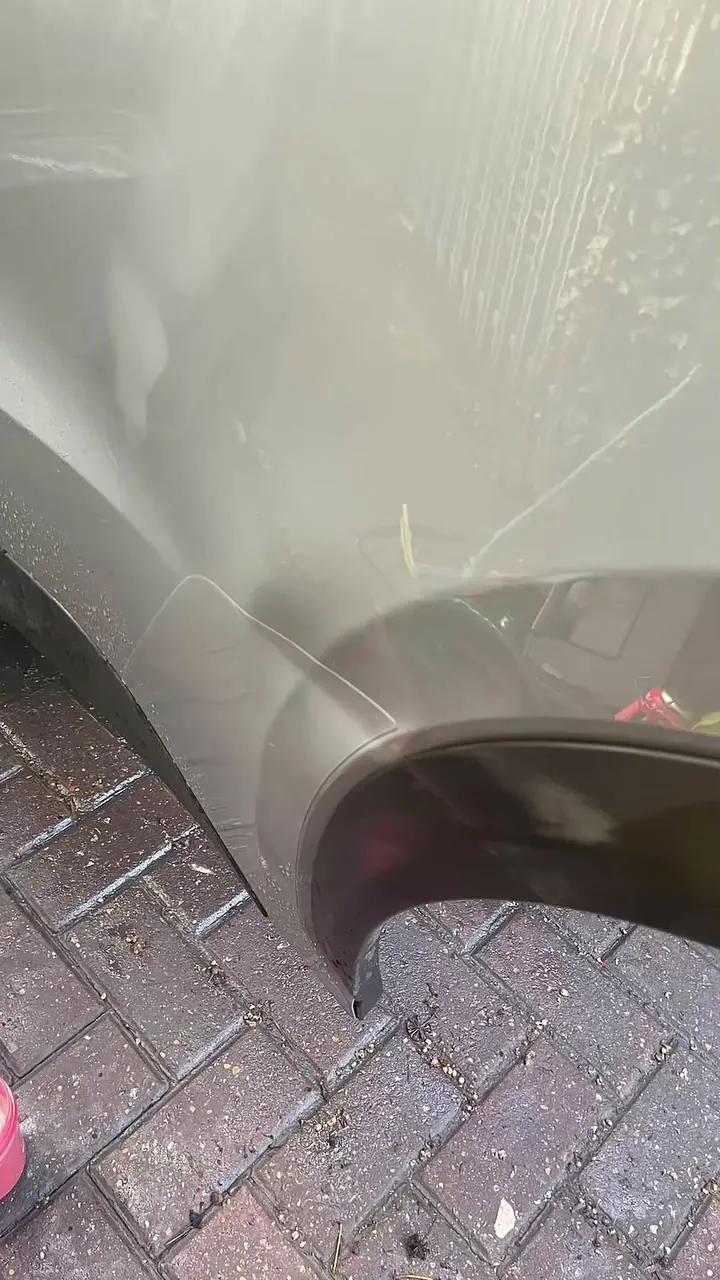
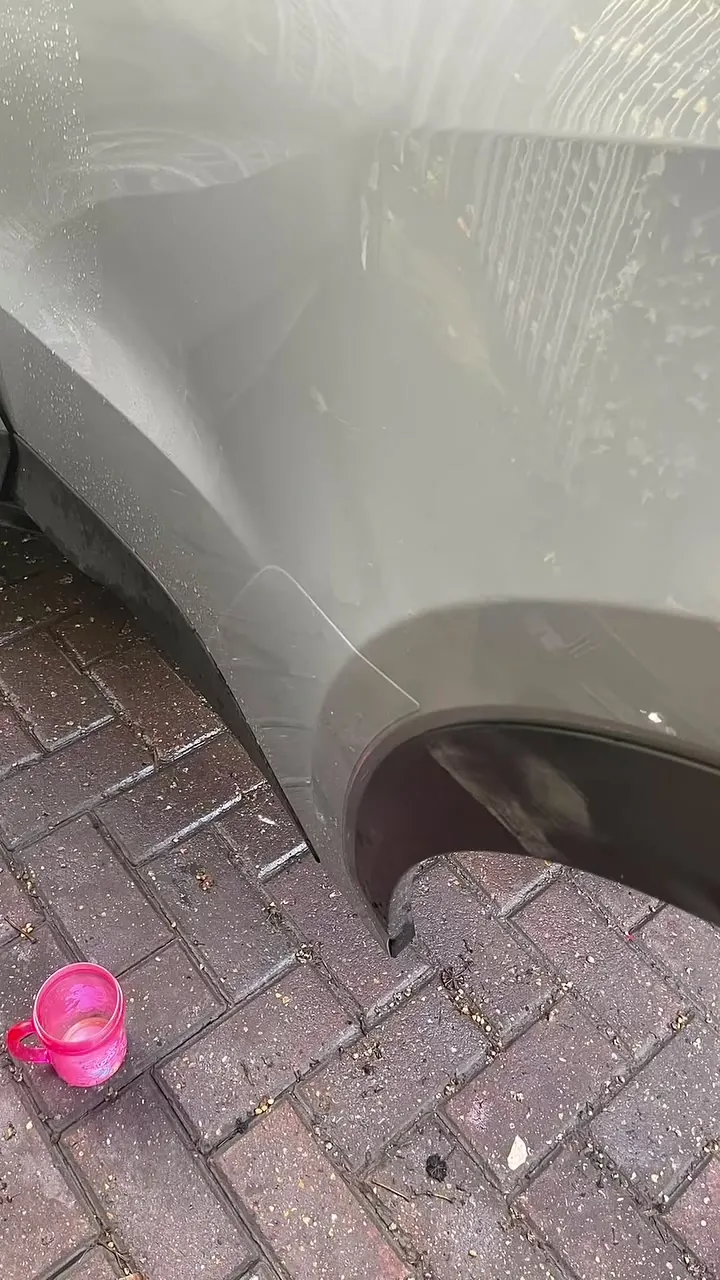
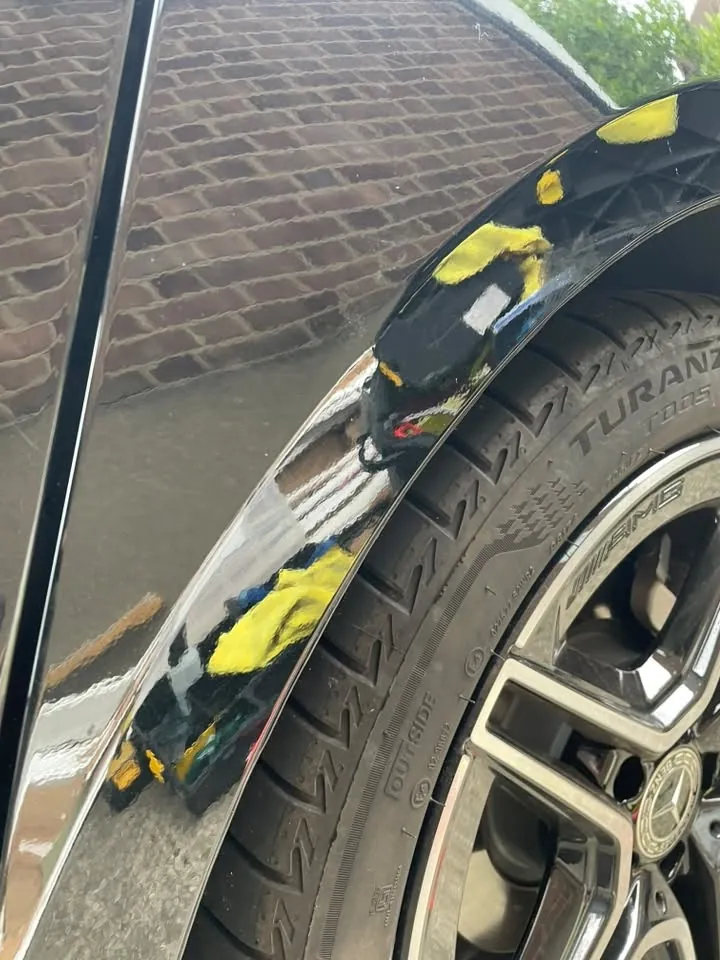
Dent above the wheel archUxbridge
A round dent in the rear quarter just above the arch, taken out without touching the paint.
When lease return dent repair makes sense
- A dent is bigger than 15mm across.
- There are more than two dents on one panel.
- A dent sits on a body line or on the roof, which is never accepted.
- You would rather hand the car back clean than argue over a report afterwards.
It is worth comparing your leasing company’s charge for each damaged panel with a price for the repair. Send photos on WhatsApp and you will have a figure to compare.
Check your car before the inspection
- Walk round the car in daylight, looking along each panel rather than straight at it. Dents show up in the reflections.
- Check the roof and the body lines along the doors and wings.
- Measure each dent with a ruler and count how many are on each panel.
- Look for chips in the middle of any dent.
- Photograph anything you find and send it on WhatsApp a few weeks before the collection date, so there is time to book.
Sources: the BVRLA dent wording as quoted in Financial Ombudsman decision DRN-3728815; the 13mm standard noted in decision DRN-3465992; leasing companies setting their own rules based on the BVRLA guide, Nationwide Vehicle Contracts.
Questions people ask
Can you fix a dent with a chip in it before I hand the car back?
The dent can often be pushed out, but the chip still needs a paint repair. The BVRLA guidelines don’t accept chips within dents, so both need sorting.
Is it cheaper to fix dents before returning a lease car?
It depends on your leasing company’s charges, which vary. Compare its charge for each damaged panel with a price from a photo before you decide.
How long before the collection should I book?
Give yourself a few weeks. That leaves time to send photos, agree a price and fit the repair in before the inspection.
Will the inspector see that the dent was repaired?
There is no new paint or filler on the panel. A finished paintless repair leaves the original paint as it was, so there is nothing added for anyone to find.
Other dents we take out
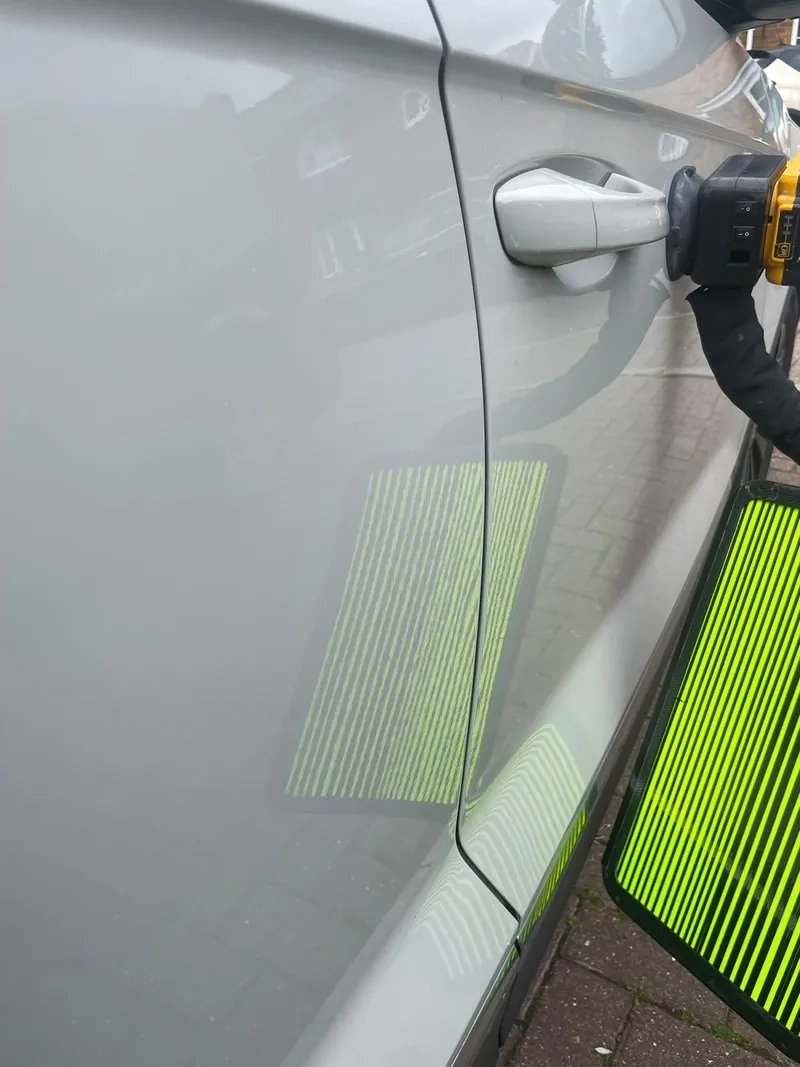
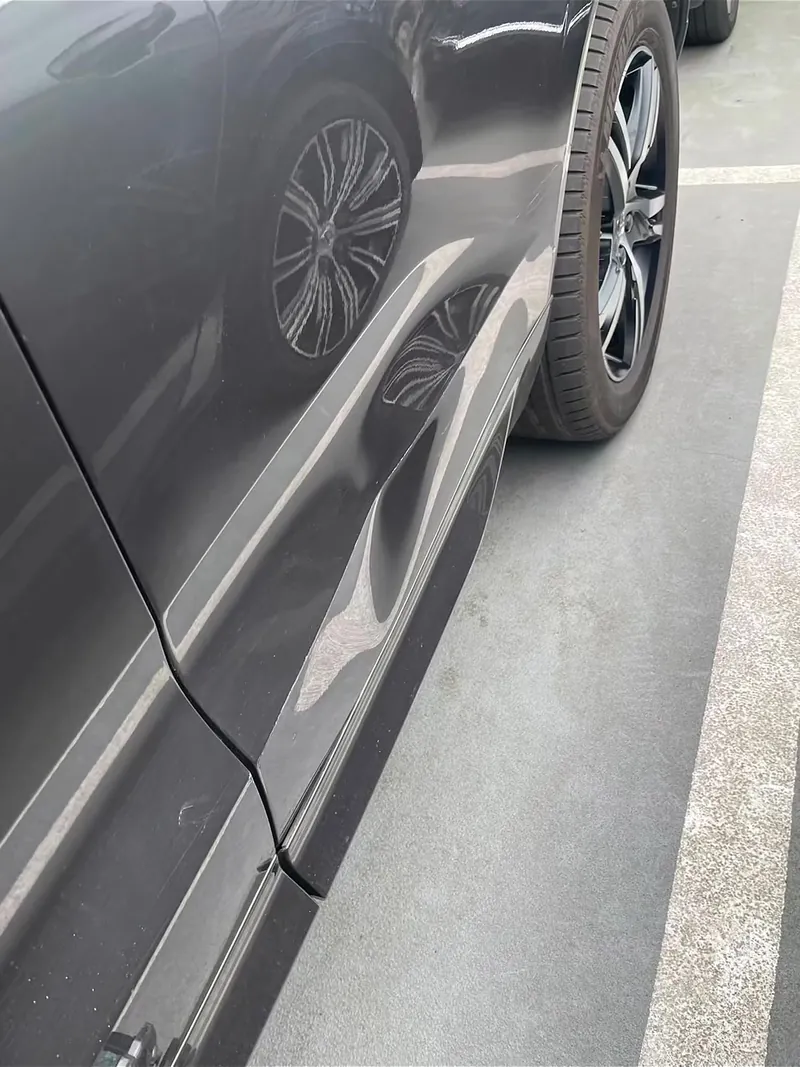
All done the same way: no filler, no paint and no bodyshop.
Lease car going back soon?
Send photos of each dent with your collection date. You will get a price and a time that fits.
Best photos: one from a few steps back, then two close-ups from an angle so the light shows the dent.